Sugar Syrup Calculator
Need to mix sugar syrup for feeding your bees? Begin by selecting the ratio (1:1 is recommended for spring/comb-building feeding and 2:1 is recommended for dearth/storage feeding). Next, input one variable, and our calculator will determine the rest.
Understanding 1:1 vs. 2:1 Bee Feeding Syrup Ratios
Feeding honey bees refined white cane sugar syrup at the right seasonal ratio simulates either a natural nectar flow or dense dearth honey stores.
1:1 Sugar-to-Water Ratio (Stimulative & Comb-Drawing Syrup)
Mixed using equal parts granulated white sugar and warm water by weight (e.g., 1 kg sugar to 1 Liter water, yielding ~1.62 Liters of syrup). Because 1:1 syrup closely mimics the ~50% sugar concentration of fresh floral nectar, it stimulates the queen to accelerate brood laying and activates worker wax glands to draw out new beeswax foundation frames.
2:1 Sugar-to-Water Ratio (Heavy Dearth & Storage Syrup)
Mixed using two parts granulated white sugar to one part hot water by weight (e.g., 2 kg sugar to 1 Liter water, yielding ~2.25 Liters of thick syrup). Because 2:1 syrup contains far less excess moisture for the bees to evaporate, colonies store it rapidly as emergency food reserves during prolonged dearth.
Why Dissolved Sugar Increases Total Syrup Volume
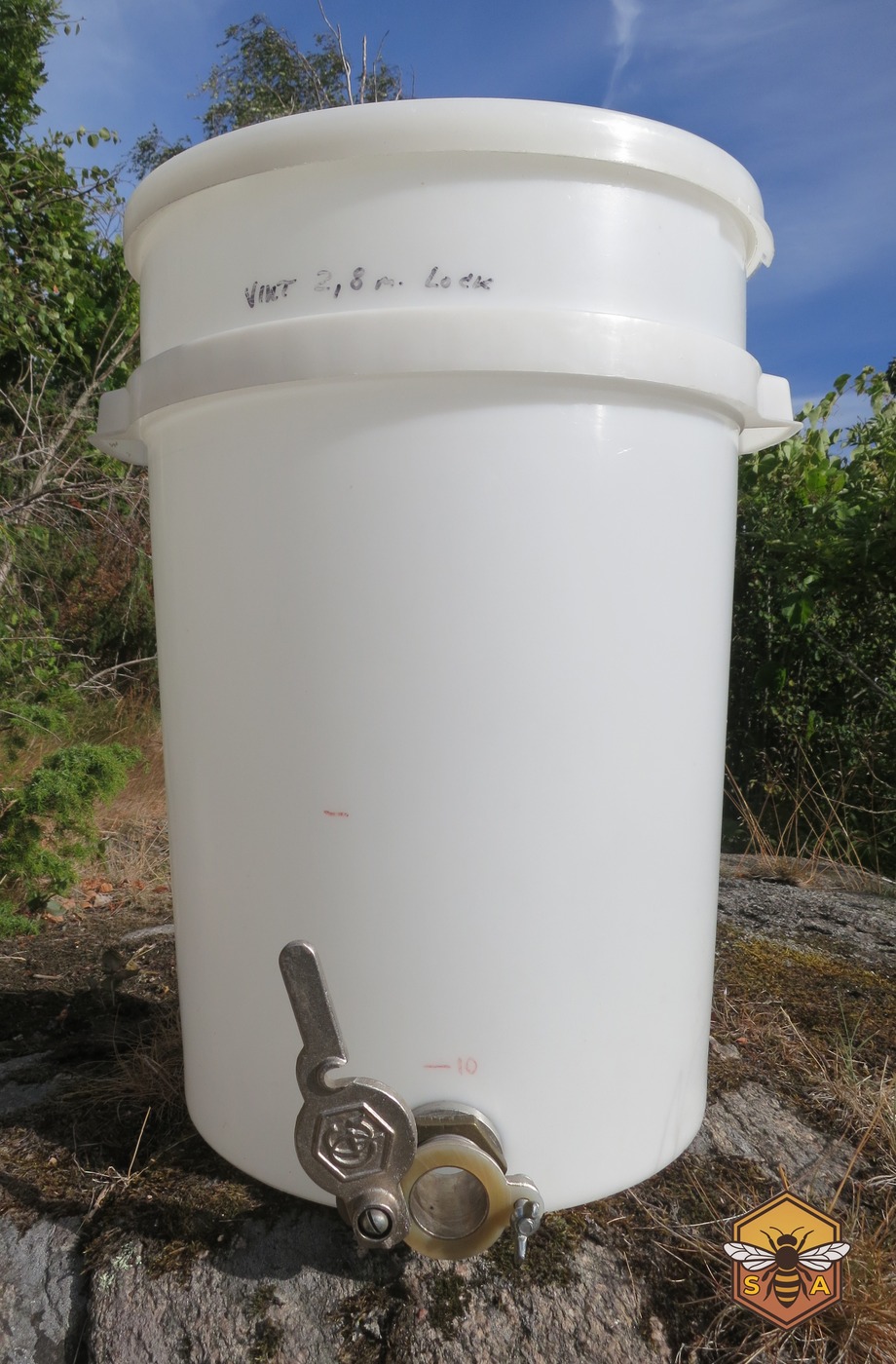
When dry sugar crystals dissolve into water, the sucrose molecules occupy space between water molecules—increasing final liquid volume by roughly 60% of the dry sugar’s weight. Our calculator accounts for this exact physical displacement so your mixed batch never overflows your mixing tank or hive feeders.
Preventing Robbing & Fermentation in Tropical Apiaries
Always fill internal frame feeders or top hive feeders late in the evening at dusk so guard bees are calm and neighboring colonies do not rob weaker splits. Remove any unconsumed 1:1 syrup after 4–5 days in warm humid weather before yeast fermentation can occur.
Complete Guide to Safe Bee Syrup Preparation in Nigeria & Tropical Apiaries
1. Use Only 100% Pure White Granulated Cane Sugar: Never feed bees raw brown sugar, jaggery, molasses, palm sugar, or burnt syrup. Unrefined sugars contain indigestible ash and plant solids that cause fatal dysentery in worker bees.
2. Never Boil Sugar and Water Together on High Heat: Heat your clean water first (45°C warm water dissolves 1:1 syrup easily; 65°C–70°C hot water dissolves 2:1 syrup), turn off the burner, and stir in the dry sugar until crystal clear. Boiling sugar over direct flame caramelizes fructose into HMF (hydroxymethylfurfural), a compound that is toxic to honey bees.
Frequently Asked Questions About Feeding Sugar Syrup to Bees
No. Brown sugar and molasses contain molasses solids that bees cannot digest, causing severe dysentery. Never feed store-bought or unknown honey to bees, as it can transmit American and European Foulbrood spores across your apiary. Always use 100% pure white refined granulated cane sugar.
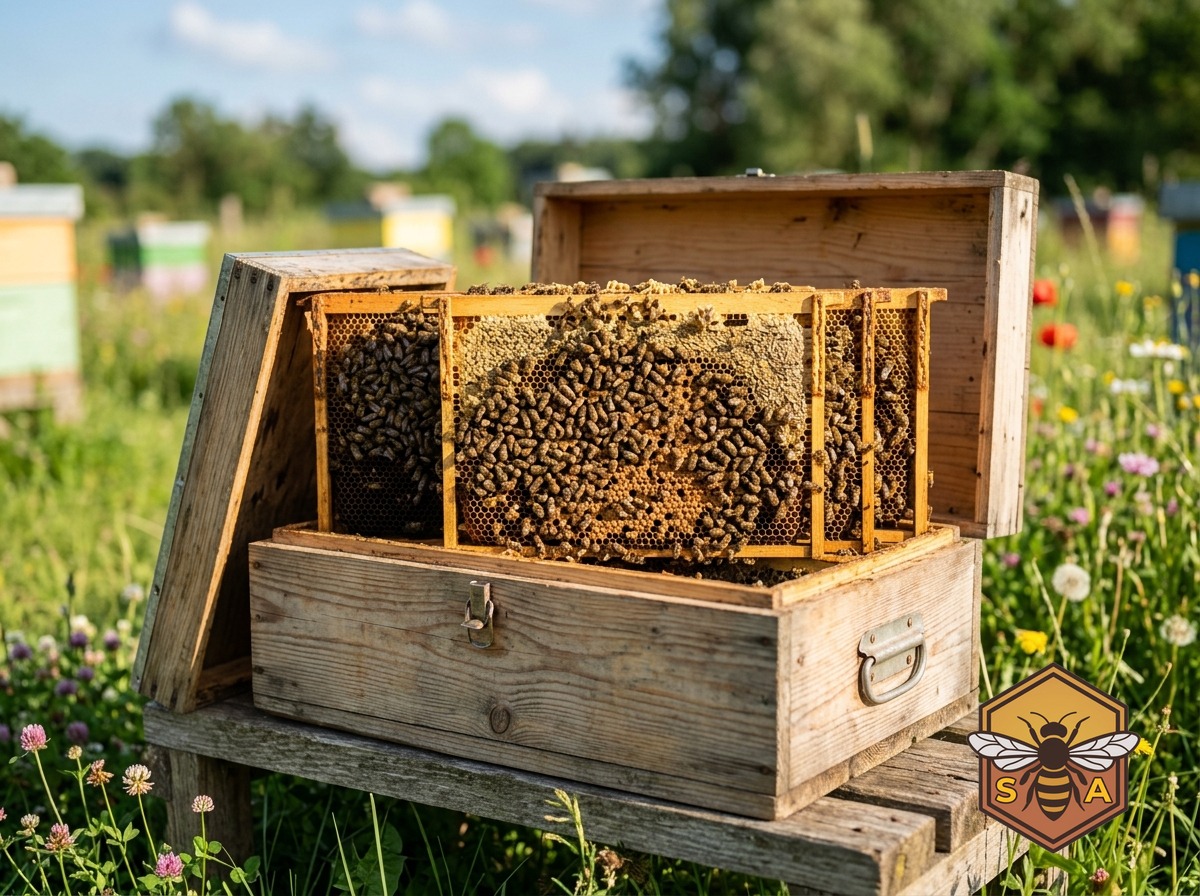
When transferring a 5-Frame Nucleus Colony into a 10-Frame Langstroth brood box with 5 new wired beeswax foundation frames, feed 1 to 2 Liters of 1:1 syrup every 3–4 days for the first two weeks (unless a heavy natural nectar flow is active) until all 10 brood frames are fully drawn out.
Yes — strictly! Remove all sugar syrup feeders before placing honey supers on the hive for human harvest so workers never store sugar syrup inside marketable honey frames.
Mix only what your colonies can consume within 3 to 4 days, keep feeders shaded inside the hive (internal division-board frame feeders or top feeders beneath the telescoping roof), and rinse feeders with clean water between refills.