Share:

Organic Varroa & Brood Health Management: Essential Oil & Organic Acid Best Practices

Residue-Free Colony Care for Pure Honey Producers

Every commercial and backyard beekeeper shares the same goal: strong, energetic colonies producing 100% pure, uncontaminated raw honey and cosmetic-grade beeswax. When brood health dips or parasitic mite loads rise, colony immunity and foraging output drop rapidly.

At Sandalwood Apiaries, our Integrated Pest Management (IPM) protocol combines naturally hygienic local queen genetics with botanical essential-oil wafers and organic acid treatments applied strictly outside active honey-flow windows.

Step 1: Monitor Before You Treat

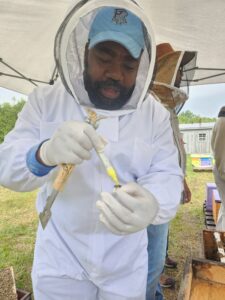
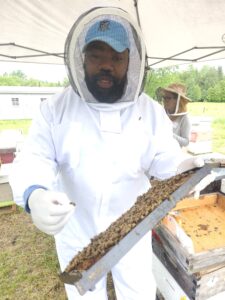
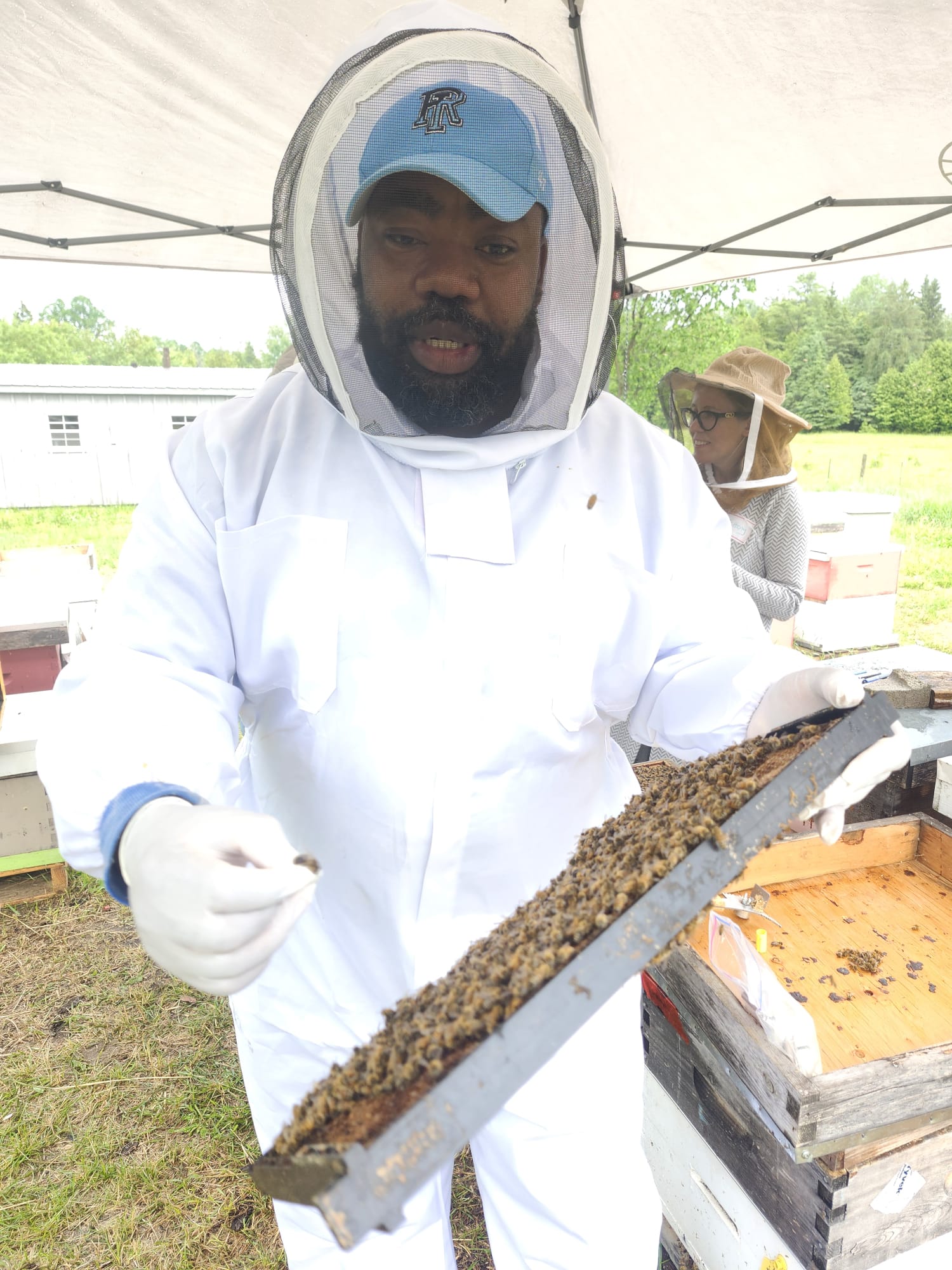
Never guess your colony’s health status. During routine inspections, combine visual brood pattern checks with a quick sample test:

  • Check for solid, contiguous slabs of pearly-white larvae and tan capped worker brood
  • Look for recapped or chewed brood cappings that indicate hygienic worker behavior
  • Perform a sugar-roll or wash check on 300 nurse bees from an open brood frame
  • Verify that your colony has a productive, marked laying queen and adequate pollen reserves

Step 2: Follow Temperature & Supering Guidelines

When applying natural thymol and essential-oil wafers such as ApiLife Var, placement and ambient temperature matter:

  • Remove all marketable honey supers before starting any treatment cycle
  • Break one wafer into four equal pieces and place them on the outer corners of the top bars, away from open brood
  • Repeat with fresh wafer strips every 7–10 days for a complete 3-step cycle

Step 3: Rebuild Colony Vigor Before the Next Bloom

After completing your post-harvest health protocol, clean the bottom board, replace any aged dark comb with fresh frames and foundation, and verify that the colony has generous honey and bee-bread stores heading into the next floral cycle. 🐝🍯

Leave a Comment

Your email address will not be published. Required fields are marked *

wpChatIcon
wpChatIcon
Scroll to Top